

Air Jordan Resale Scene: Expert Tips for Buying and Selling
The Air Jordan resale market has expanded from a niche pastime into a multi-billion-dollar market working with the efficiency of a financial exchange. Shoes that retail for $170 can command $500, $1,000, or even $10,000 depending on model, colorway, and availability. For consumers, this ecosystem offers a path to unavailable releases and vintage grails that would otherwise remain out of reach. For flippers, it constitutes a legitimate side income that many resellers have turned into full businesses. But working this arena without expertise is a fast track to overpaying or getting scammed. Whether you want to score a pair under market value or resell your freshest SNKRS hit for a profit, knowing the mechanics of the Air Jordan resale landscape in 2026 is indispensable.
Grasping the Resale Landscape
The modern sneaker resale market operates through a handful of dominant services, each with different pricing models and customer bases. StockX introduced the “stock market for sneakers” model, collecting sellers a commission between 8 and 10 percent according to seller level. GOAT runs a like marketplace but introduces the option to sell previously worn sneakers together with factory-sealed pairs, expanding the available market. eBay came back into the legit-checked sneaker market with its Authenticity Guarantee feature and as of now charges zero seller fees on sneakers over $150, positioning it as the most economical channel for sellers in 2026. Local consignment stores like Flight Club command a higher 15 to 20 percent fee but offer face-to-face verification and on-the-spot payment. Social media channels still drive significant P2P transactions, though without integrated verification the risk is substantially higher. Knowing each platform’s fee structure enables you to pick the best option based on whether you emphasize the highest return, speed, or security.
How Resale Prices Are Determined
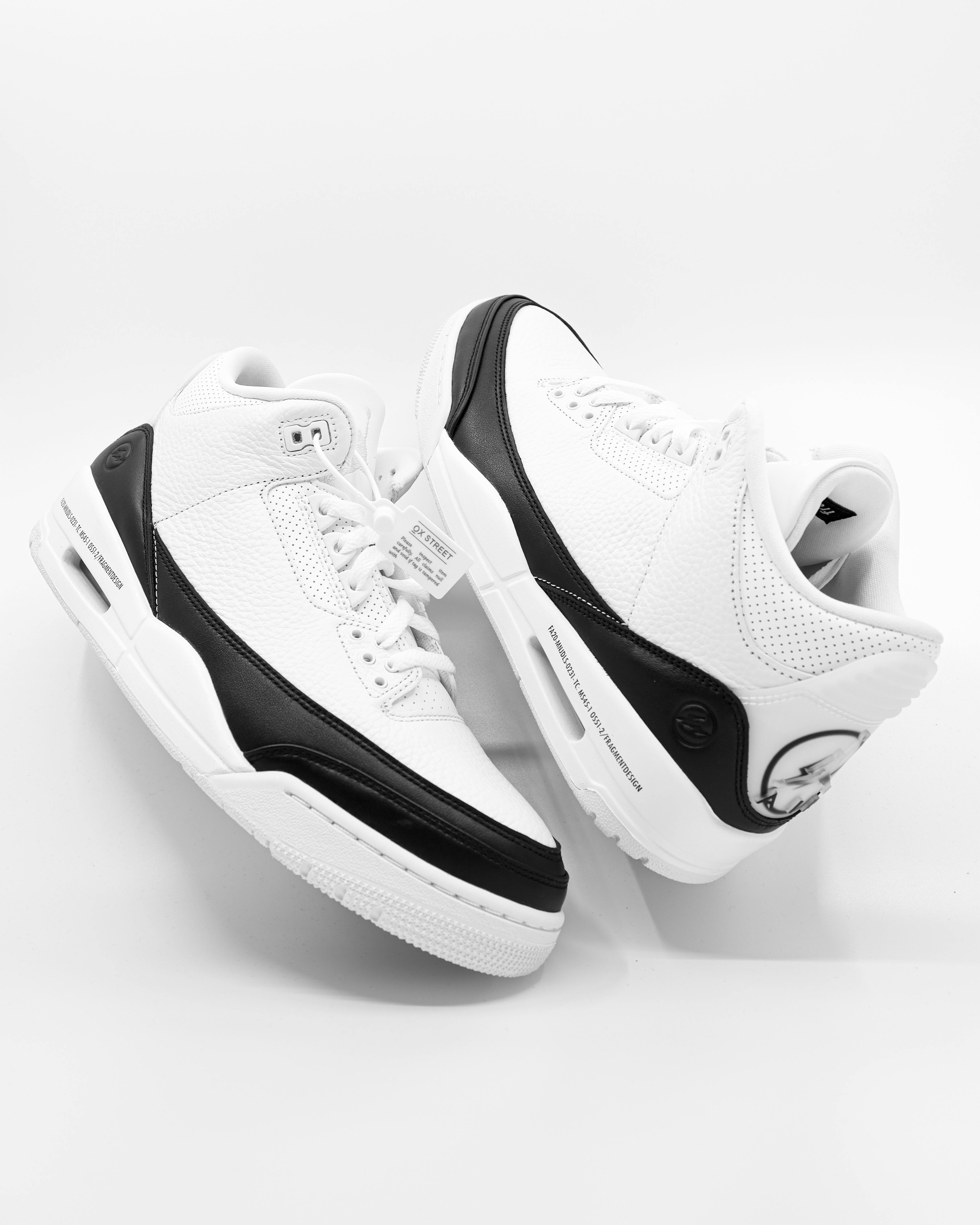
Aftermarket pricing is governed by cycles driven by recognizable supply and demand forces. The biggest determinant is limited availability — limited runs under 50,000 pairs almost always fetch considerable premiums, while GR releases above 200,000 pairs tend to sell for or below retail after early get it here excitement dies down. Collab status enormously boosts worth: a Travis Scott or Off-White joint release can increase 300 to 800 percent to resale compared to a basic edition of the same shoe. OG releases that Michael Jordan actually wore during competitive play consistently sell for more than recent reimaginations of the same silhouette. Condition is another important determinant, with factory-fresh pairs earning a 30 to 50 percent markup over near-new pairs. The most standard men’s sizes (9 through 11) usually have higher supply on marketplaces, while outlying sizes frequently attract higher prices due to limited supply. Prices typically spike during November and December holiday buying and dip during less active summer.
| Platform | Seller Commission | Legit Check | Payout Speed | Pre-Owned Sales | Recommended For |
|---|---|---|---|---|---|
| StockX | 8–10% | Physical in-house | 3–7 business days | No | Price transparency |
| GOAT | 9.5% + shipping | Physical in-house | 3–5 business days | Yes | Used sneaker sales |
| eBay | 0% (over $150) | Third-party verification | 1–3 business days | Yes | Maximum seller profit |
| Flight Club | 15–20% | In-store experts | Immediate (cash) | Yes | Immediate payouts |
| Instagram / Facebook | 0% | None — buyer assumes risk | Immediate | Yes | Fee-free direct sales |
Smart Buying Strategies
When you buy is the most effective tool for grabbing Air Jordans at less than top resale prices. Almost every buzzworthy drops adhere to a reliable curve: prices shoot up right after release day as resellers leverage buyer urgency, then gradually fall over two to six weeks as first-wave demand is satisfied and more supply reaches the market. Being patient 30 to 45 days after drop can save 15 to 30 percent compared to launch-day resale, according to past data on StockX. Setting bid alerts on sites like StockX and GOAT allows you to name your price and wait for a seller to match your offer, rather than meeting the current ask which always represents the most optimistic seller pricing. Contrasting prices across several sites before committing is critical because the identical pair in the same size can vary by $20 to $80 between StockX, GOAT, and eBay at any given time. For vintage retro releases not caught in a present hype wave, costs regularly hit their lowest during June through August when sneaker market activity generally softens. Finally, purchasing in uncommon sizes can sometimes give you an edge because these sizes have fewer active bidders chasing the same restricted supply.
Optimizing Your Selling Earnings
Smart reselling starts well before you list a pair — it begins with copping the proper pairs through retail sources at the lowest cost. Entering every available draw for high-demand releases through Nike SNKRS, Foot Locker, JD Sports, and independent stores boosts your odds of securing inventory at retail, which is the basis of resale profitability. Time to listing is critically important: uploading your pair within the first 24 to 48 hours after drop, when FOMO is strongest and stock on platforms is still low, consistently produces the peak selling price for that product cycle. Shoot your pairs in detail and maintain original packaging in perfect condition, because purchasers on legit platforms spend measurably more for pairs that show up in mint-condition boxes with all included extras present. Monitor comparable completed sales — not just current listings — to determine accurate list prices, since overpriced listings sit unsold while the pricing passes you by. Consider your platform choice thoughtfully: eBay’s no-fee policy on sneakers above $150 means you pocket approximately 10 percent more than on StockX, translating to $30 to $50 more profit per pair.
Checking Legitimacy and Steering Clear of Knockoffs
Bootleg Air Jordans have turned frighteningly advanced in 2026, with some fakes virtually indistinguishable from genuine pairs without expert inspection. The lowest-risk strategy for purchasers is buying solely through platforms with hands-on verification — StockX, GOAT, and eBay’s Authenticity Guarantee each have trained authenticators who physically inspect every pair before it is delivered to the buyer. For person-to-person deals through Instagram or local meetups, invest in a UV blacklight that shows invisible quality-control markings counterfeiters rarely reproduce, and a jeweler’s loupe for examining sewing details and material textures at close range. Red flags include suspiciously low prices, sellers who refuse to provide detailed photographs, and vague “authenticity guaranteed” language without outlining a checking procedure. Tools like CheckCheck and Legit Check deliver smartphone-based legit checking where you share photos and get a professional assessment for $3 to $10 per check. For vendors, confirming that your pairs are legit safeguards your credibility and stops pricey chargebacks — platforms will flag or block sellers who dispatch fake goods, even accidentally.
Market Outlook for 2026 and Beyond
The Air Jordan resale market in 2026 stands at an fascinating crossroads shaped by opposing trends. Jordan Brand has increased manufacturing on many retro drops, lowering price increases on general releases and moving mean markups down from pandemic-era highs. Nonetheless, authentically restricted collabs and OG editions continue to earn solid premiums, suggesting the market is splitting between affordable drops and highly restricted merchandise. According to research from Cowen & Company, the global sneaker resale market is projected to reach $30 billion by 2030, with Air Jordans staying as the most frequently traded brand. For individual market participants, this expansion means more market activity, enhanced market transparency, and greater competition — dynamics that advantage expertise and patience over impulse. Whether you view the market as a buyer hunting grails or a reseller growing an enterprise, the fundamentals hold true: buy what you understand, choose your selling window carefully, authenticate everything, and treat the resale market with the discipline of any serious financial endeavor.